Most small businesses do not fail because the idea was weak or because they failed to sell their products. They fail because liquidity becomes an issue, and it tightens quietly.
We have seen a fair share of businesses that grow steadily, amassing a very strong and loyal customer base. Their customers or clients praise them on Trustpilot, Google Business Reviews or other platforms.
This gives them the necessary confidence to grow and scale. They start looking for new avenues: new clients or customers, new markets or niches. They feel the need to respond to their confidence with better, bigger or smarter locations, or with new personnel and skilled labour.
When this happens, we see a major shift: revenues keep on growing, but they are disproportionately low compared to the running costs. This is fine, most businesses say. The truth is, what you are not seeing is the fact that liquidity is tightening and dissipating. And you only notice when it is too late, and you have to either change direction, have a major influx of new capital from shareholders or sell.
Liquidity stress usually shows up in small signals that are sometimes overlooked:
- Payment terms stretching from 30 to 45 days
- VAT liabilities underestimated
- Hiring decisions made before revenue stabilises
- Stock ordered based on optimism or very basic statistical modelling that covers previous year’s or months’ data without intervening adjusting factors, not confirmed or strongly forecasted demand
- FX exposure is ignored when expanding internationally
- Leadership hired full-time before it is economically rational.
Growth is about optimism and determination. Likewise, liquidity risk is that horrible surprise you get when that very optimism that leads to growth is badly timed.
When building or managing a company, three stress questions matter:
- What must happen each month for this business to remain solvent?
- How much flexibility exists if revenue drops 15–20%?
- Which costs are fixed, and which are truly scalable?
If you cannot answer those clearly, the risk is not strategic. It is structural.
Ahead of SCALE EXPO & SUMMIT 2026, we have simplified part of our internal modelling framework into a practical introductory spreadsheet designed for SMEs and microbusinesses.
It helps founders and operators think through:
- Labour structure (permanent vs fractional vs advisory)
- Capacity allocation
- Cost realism
- Cash timing pressure
- What would actually need to happen for the model to work
This simple version is available openly.
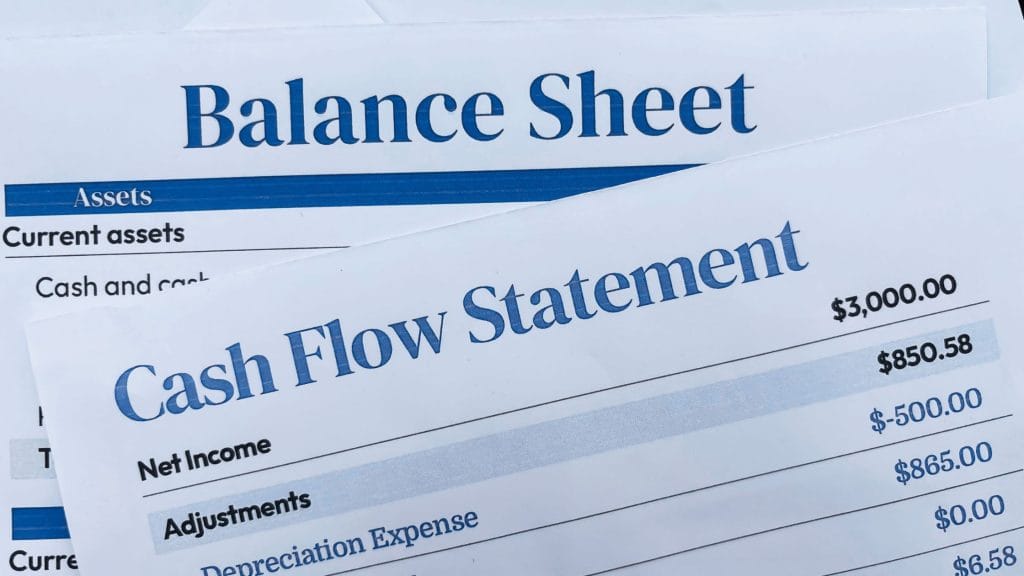
For those who want deeper modelling tools, it forms part of a broader financial discipline package, including:
- A structured e-book/vademecum
- Three progressively more advanced modelling spreadsheets
- Scenario and sensitivity frameworks
The goal is not to overwhelm founders with complexity. It is to replace optimism or pessimism with clarity.
Our 30-minute Workshop during the SCALE EXPO & SUMMIT will focus on de-risking international expansion — but none of that matters if liquidity discipline is weak at home.
Growth is exciting.
Solvency is non-negotiable.
If you are building, scaling, or reassessing your structure in 2026, this might be the right time to pressure-test your numbers before the market does it for you.