As of today, AI internationalisation has moved from ambition to operational reality. No longer limited to pilots or niche tools, it is driving a systemic overhaul in how cross-border commerce is initiated, scaled and sustained.
Firms use it to price goods across jurisdictions, maintain compliance as regulations shift, adjust to tariffs and optimise fulfilment through digital logistics. What once sat in the back office has become the backbone of trade execution.
Recognition of this transformation is accelerating. Organisations are moving decisively from experimentation to enterprise-wide integration. Leading SMEs already deploy AI to model market entry, automate customs processes, manage digital listings and convert regulatory updates into immediate action.
For companies trading between the UK and the EU, intelligent platforms now ease cross-border friction.
In particular, as mutual recognition tightens and localisation requirements rise, these systems deliver consistent compliance. In turn, the impact extends beyond efficiency. As a result, AI enables international reach at SME scale.
From Interface Tools to Agentic Infrastructure
Earlier AI systems were designed to respond, summarise data, draft copy, or support decisions at the interface layer. In 2026, agentic systems are executing, planning tasks, navigating systems and completing structured workflows with minimal oversight.
In finance, these agents reconcile payments and forecast positions, while foroperations, they automate inventory triggers.
Within marketing, they run campaigns based on live data. As automation deepens, SMEs gain access to capabilities once limited to large firms.
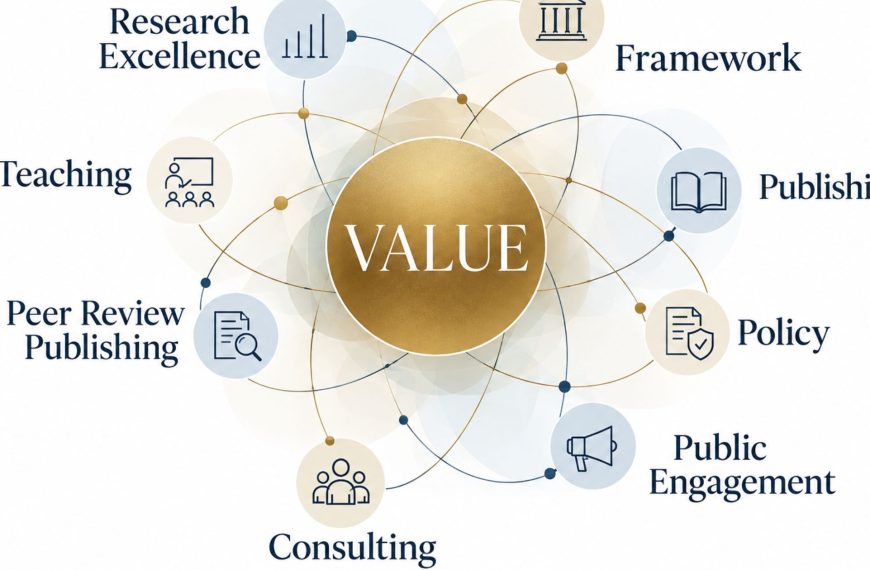
The value sits in the control framework around it, from identity management, permissions, to approvals and observability.
Firms that design this architecture well win trust, speed and regulatory alignment. Governance is becoming a competitive differentiator.
Commercial Models Are Shifting
AI internationalisation means that simple AI usage no longer scales cleanly with pure volume alone. One person supported by structured intelligence can output what once took a team.
Flat SaaS pricing is eroding as vendors are experimenting with hybrid and usage-based pricing tied to tasks, transactions or outcomes. These shifts are challenging long-held assumptions about software marginal cost.
For SMEs, this introduces a shift in budgeting. Predictable subscriptions are giving way to variable consumption costs. Pricing discipline now matters. Firms must model how AI-linked tools affect margin and actively monitor usage to avoid erosion.
Infrastructure Meets Physical Constraint
Behind the software lies the infrastructure. AI workloads and data centres are placing increasing pressure on electricity grids.
Water consumption, permitting and local opposition are becoming strategic issues. Providers are responding by building their own energy capacity, often exploring low-carbon or nuclear options.
These pressures filter through to cloud pricing and availability. For UK and EU SMEs relying on global compute providers, this adds a new externality to watch: energy availability and grid-linked pricing
Regulation Is Now Operational
The regulatory window has closed. The EU AI Act is in force, requiring documentation, audit trails and risk mitigation for high-risk systems.
US states have introduced legislation on employment algorithms and discrimination safeguards. The global compliance web continues to evolve.
For SMEs exporting across borders, regulation is now part of the business model. Compliance is not optional, even for lean firms. They must demonstrate how their AI-enabled processes respect legal boundaries. This requires auditable systems and built-in oversight.

Internationalisation as Strategy
The AI layer is transforming export strategy. SMEs can now test cross-border demand with smaller footprints. They can localise pricing, automate customs documents and run compliance pre-checks. These are no longer speculative capabilities. They are everyday use cases.
Intelligent systems reduce the need for local teams. Language models power real-time translation, while AI-enhanced CRMs support outreach across time zones. This is not a theory. It is now the competitive baseline.
Strategic Implications for UK–EU SMEs
For UK and EU-based SMEs, cross-border commercialisation is being rewired. Trade-tech platforms powered by AI are automating digital customs, calculating landed costs in real time and flagging regulatory triggers.
SMEs building with these tools must weigh jurisdiction, data residency and contractual flexibility. Infrastructure and market access are now linked.
Government strategy is aligning. The World Economic Forum confirms that national AI infrastructure is becoming a pillar of economic policy. Business Compass highlights how data residency and localisation policies now influence infrastructure and vendor selection. AI internationalisation requires commercial alignment and geopolitical awareness.
The Export Operating Model Redefined
Small teams now access analytics, creative, forecasting and legal automation through AI. Internationalisation no longer demands large-scale investment. However, operational discipline is more important.
Agentic systems amplify weak workflows. Sloppy processes scale error. High dependency on a few vendors increases risk.
This is why commercialisation must be matched with design. SMEs should build AI-enabled export models with embedded thresholds, monitoring and fallback logic. They must manage cost variability and align tools with sales pipelines.
AI as Strategic Trade Infrastructure
AI internationalisation is no longer an optional add-on. In 2026, it forms the structural backbone of SME trade, reshaping how value is created, protected and scaled.
Intelligent systems have made export readiness more achievable than ever, enabling even the smallest firms to operate with the sophistication once reserved for global players.
However, this accessibility comes with responsibility. The firms that succeed will not be those that deploy tools casually, but those that embed AI with intention. Pricing, compliance, marketing and logistics must be orchestrated by design, not by accident. SME leaders must now treat AI as infrastructure, not software. That mindset shift is the true competitive advantage.
In a landscape shaped by energy volatility, regulatory scrutiny and digital acceleration, the firms that design for resilience, optionality and precision will lead the next chapter of global SME growth. They will scale not just faster, but smarter and on their own terms.
NorthStar Consulting helps SMEs harness the power of AI to scale internationally with clarity and control.
From compliance to cross-border pricing, we translate insight into practical strategy so that businesses can grow confidently across the UK, EU and beyond.
For more strategic analysis, trade intelligence, and innovation insights, follow NorthStar and The Pulse — your reference point for navigating international growth in a digitally reshaped economy.